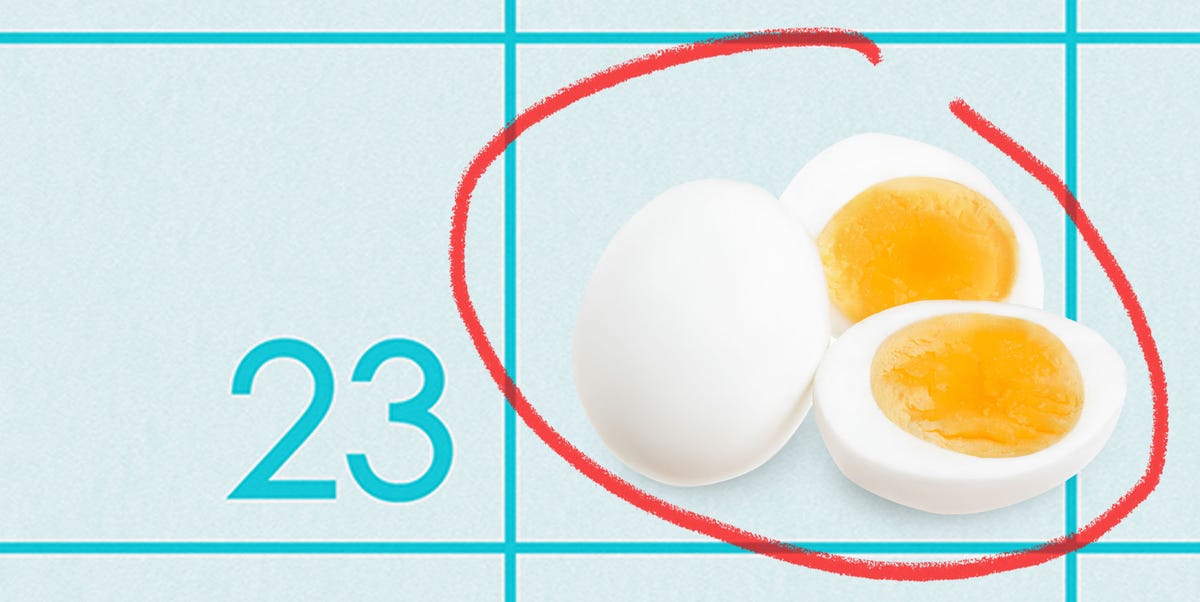
Hard-boiled eggs are a nutritional powerhouse, a versatile ingredient, and a go-to snack for many. Packed with protein, low in calories, and rich in essential nutrients, they're a staple for healthy breakfasts, quick lunches, and even gourmet salads. However, a common query often arises among egg enthusiasts: how long do hard-boiled eggs last? Understanding the shelf life of these convenient edibles isn't just about enjoying them at their freshest; it's crucially important for food safety.
Unlike their raw counterparts, cooked eggs have a much shorter lifespan. The very act of cooking, while making them ready to eat, also removes the egg's natural protective coating, known as the "bloom," which helps ward off bacteria. This leaves hard-boiled eggs more susceptible to spoilage if not stored correctly. Whether you're meal prepping for the week, packing a picnic, or simply wondering about leftovers, proper storage is paramount to prevent foodborne illness and ensure every bite is safe and delicious.
The Critical Difference: Why Hard-Boiled Eggs Perish Faster Than Raw Eggs
Before diving into specific timelines, it’s essential to understand the fundamental reason behind the hard-boiled egg's relatively short shelf life compared to a raw egg. Raw eggs come equipped with nature's own protective mechanism: the cuticle or "bloom." This invisible layer on the eggshell acts as a barrier, sealing the shell's pores and preventing bacteria and other contaminants from entering the egg. It also helps reduce moisture loss, keeping the egg fresh for weeks.
When an egg is hard-boiled, this delicate bloom is washed away or compromised by the boiling water. Once this natural defense is gone, the shell becomes more porous and permeable. This increased permeability allows airborne bacteria and odors to penetrate the shell much more easily, accelerating the egg's spoilage process. This is why proper handling and immediate refrigeration become non-negotiable for cooked eggs.
How Long Do Hard-Boiled Eggs Last in the Fridge?
When it comes to extending the life of your hard-boiled eggs, the refrigerator is your best friend. Proper chilling is the single most important factor in keeping them safe to eat.
Unpeeled Hard-Boiled Eggs
According to food safety guidelines, hard-boiled eggs stored properly in the fridge should be consumed within one week (seven days) after cooking. This applies to eggs kept in their shells. To maximize their freshness and shelf life, ensure they are transferred to the refrigerator as soon as they have cooled down after cooking. Ideally, this should be within two hours of cooking to prevent bacteria from multiplying at room temperature.
- Cool Quickly: After boiling, plunge eggs into an ice bath or run them under cold water to stop the cooking process and cool them rapidly. This is crucial for both texture and safety.
- Keep Them in Their Shells: The shell acts as an additional layer of protection, even without the bloom. It helps guard against absorbing odors from other foods in your fridge and offers a physical barrier against bacteria.
- Optimal Placement: Store them in the coldest part of your refrigerator, typically the back shelves, rather than the door, which experiences temperature fluctuations.
Peeled Hard-Boiled Eggs
The good news is that peeled hard-boiled eggs also last up to seven days in the refrigerator, just like their unpeeled counterparts. However, because they lack the protective shell, their storage method requires a bit more attention to maintain freshness and safety.
- Airtight Container: Always store peeled hard-boiled eggs in an airtight container. This prevents them from drying out, absorbing fridge odors, and being exposed to airborne contaminants.
- Moisture is Key: Some people choose to store peeled eggs in a shallow dish of water, covered, within an airtight container. While this can keep them moist, ensure the water is changed daily to prevent bacterial growth. Alternatively, place a damp paper towel in the container to maintain humidity.
- Labeling: It's always a good practice to label your container with the date you cooked the eggs, making it easy to track their freshness.
For more detailed insights on how peeling affects storage, check out our guide: Peeled or Not? Maximizing Hard-Boiled Egg Freshness in Your Fridge.
The "Two-Hour Rule": Hard-Boiled Eggs at Room Temperature
While hard-boiled eggs are incredibly convenient for grab-and-go meals or snacks, they should never be left out at room temperature for an extended period. The "danger zone" for bacterial growth is between 40°F (4°C) and 140°F (60°C). At these temperatures, bacteria can multiply rapidly, potentially leading to foodborne illness.
Hard-boiled eggs left outside of the refrigerator should not be consumed if they have been at room temperature for more than two hours. This rule applies universally, whether for an Easter egg hunt, a forgotten lunch on the counter, or a picnic spread. If the ambient temperature is particularly warm (above 90°F or 32°C), this window shrinks even further, often to just one hour.
It's crucial to adhere to this two-hour limit, even if the eggs look and smell fine. The presence of harmful bacteria like Salmonella doesn't always come with visible or olfactory warning signs. When in doubt, it is always safer to discard eggs that have exceeded this time limit.
Spotting Spoilage: How to Tell if a Hard-Boiled Egg Has Gone Bad
Even with careful storage, it's vital to know how to identify a spoiled hard-boiled egg. Eating a bad egg can lead to unpleasant foodborne illness symptoms, including nausea, vomiting, diarrhea, and fever. Trust your senses, and when in doubt, play it safe and throw it out.
The Smell Test
The most reliable indicator of a spoiled hard-boiled egg is its smell. A fresh hard-boiled egg should have a mild, slightly sulfuric, or clean egg scent. If you notice any of the following, the egg has likely gone bad:
- Strong Sulfur or "Gassy" Odor: This is the classic rotten egg smell, often described as foul, sulfuric, or ammonia-like. It's unmistakable and signals spoilage.
- Sour or Musty Smell: Any departure from a fresh egg smell towards sourness or a musty aroma is a strong indicator of bacterial contamination.
Visual Cues
While smell is primary, visual cues can also offer hints:
- Discoloration: Look for any unusual discoloration on the egg white or yolk. While a greenish-gray ring around the yolk is common in overcooked eggs (due to a reaction between iron in the yolk and sulfur in the white) and is harmless, other colors like pink, green, or black spots on the white or yolk are signs of mold or bacterial growth.
- Slimy or Chalky Texture: If the surface of the peeled egg feels slimy, or the shell of an unpeeled egg has a powdery or chalky residue, it's best to discard it.
The "Shake" Test (for unpeeled eggs)
Gently shake an unpeeled egg near your ear. A fresh hard-boiled egg should feel solid and not make much noise. If you hear a sloshing sound, it could indicate that the egg has started to break down and may be spoiled, although this is less reliable than smell.
Remember, once the "best by" date or the seven-day window has passed, the risk of spoilage increases significantly. If an egg passes the smell and sight tests but you're still unsure, it's always best to err on the side of caution.
Optimal Storage Strategies for Maximum Freshness
Beyond simply putting them in the fridge, a few best practices can help you get the most out of your hard-boiled eggs while maintaining safety.
- Keep Them Unpeeled Until Ready: As mentioned, the shell provides a natural protective barrier. For maximum freshness, it's best to leave hard-boiled eggs in their shells until you're ready to eat or use them in a recipe. This minimizes exposure to air and potential contaminants.
- Use Airtight Containers: Whether peeled or unpeeled, storing hard-boiled eggs in an airtight container helps protect them from absorbing strong odors from other foods in the refrigerator (like onions or garlic) and prevents moisture loss.
- Maintain Consistent Temperature: Ensure your refrigerator is consistently set at 40°F (4°C) or below. Fluctuating temperatures, often found in fridge doors, can compromise the eggs' shelf life.
- Avoid Freezing: It is generally not recommended to freeze hard-boiled eggs. While technically possible, the texture of the egg white becomes rubbery and watery after thawing, making them unappetizing.
- Transportation Tips: If you're taking hard-boiled eggs to a picnic, work, or school, make sure to keep them cold. Use an insulated cooler with ice packs or frozen gel packs to maintain a temperature of 40°F (4°C) or below until consumption.
- Label and Date: Always label your storage containers with the cooking date. This simple step eliminates guesswork and ensures you consume your eggs within the safe seven-day window.
For more insights into safely storing your protein-packed snacks, refer to our comprehensive guide: Hard-Boiled Egg Shelf Life: How to Store Them Safely & Spot Spoilage.
Conclusion
Hard-boiled eggs are a fantastic, nutritious addition to any diet, offering convenience and versatility. However, understanding how long do hard-boiled eggs last and the best practices for their storage is critical for enjoying them safely. Always remember the golden rules: refrigerate them within two hours of cooking, consume them within seven days, and trust your senses for any signs of spoilage. By following these simple guidelines, you can confidently enjoy your hard-boiled eggs without worry, making them a consistently reliable and healthy choice.
